Years Of Expertise
With years of experience in FRP product development and manufacturing, we guarantee efficient production and quick delivery without compromising on quality.




We Are Open 24 Hours a Day, 7 Days a Week, Including Weekends and Public Holidays.


Years Of Expertise
With years of experience in FRP product development and manufacturing, we guarantee efficient production and quick delivery without compromising on quality.

Custom Solutions
We offer tailored FRP products to meet the unique needs of each client, ensuring the best fit for their specific requirements.

Premium Raw Materials
Using only high-quality materials, we ensure our products deliver exceptional strength, durability, and resistance in all conditions.

Reliable After Sales Support
Our dedicated team provides ongoing support, from installation to maintenance, ensuring a seamless experience for our customers.
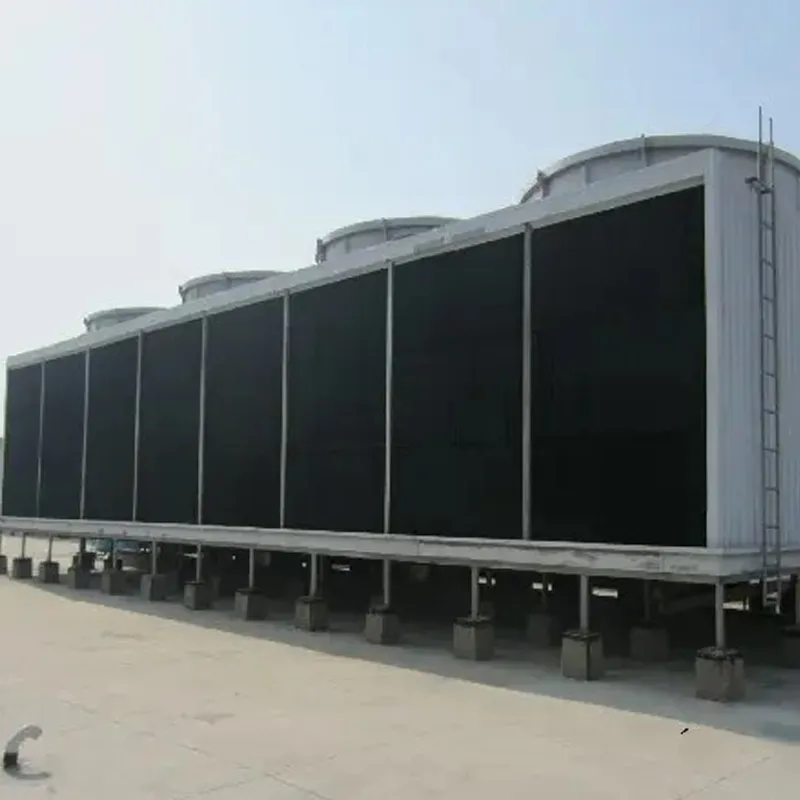
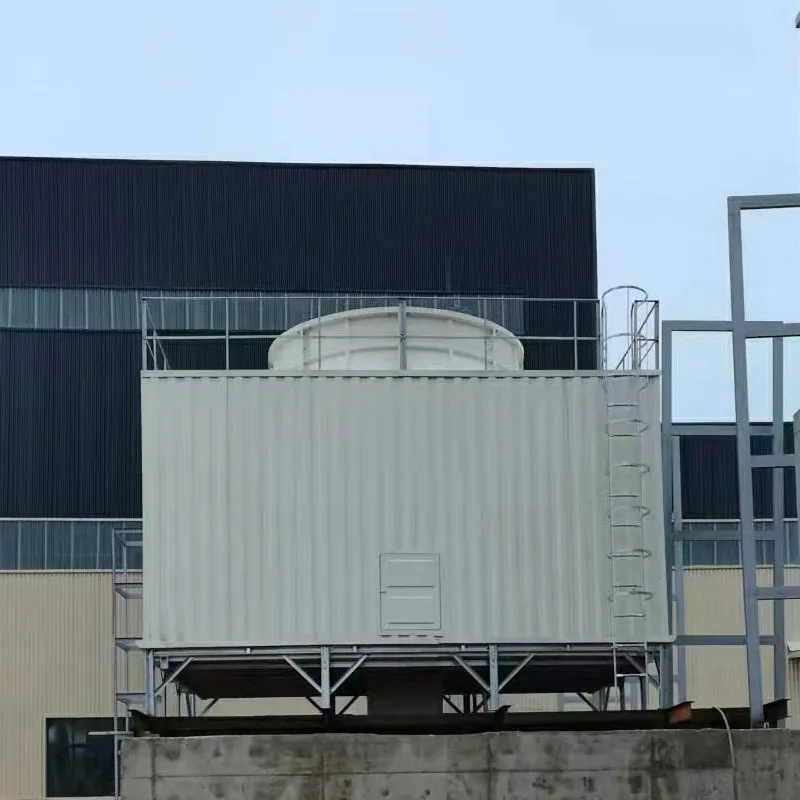
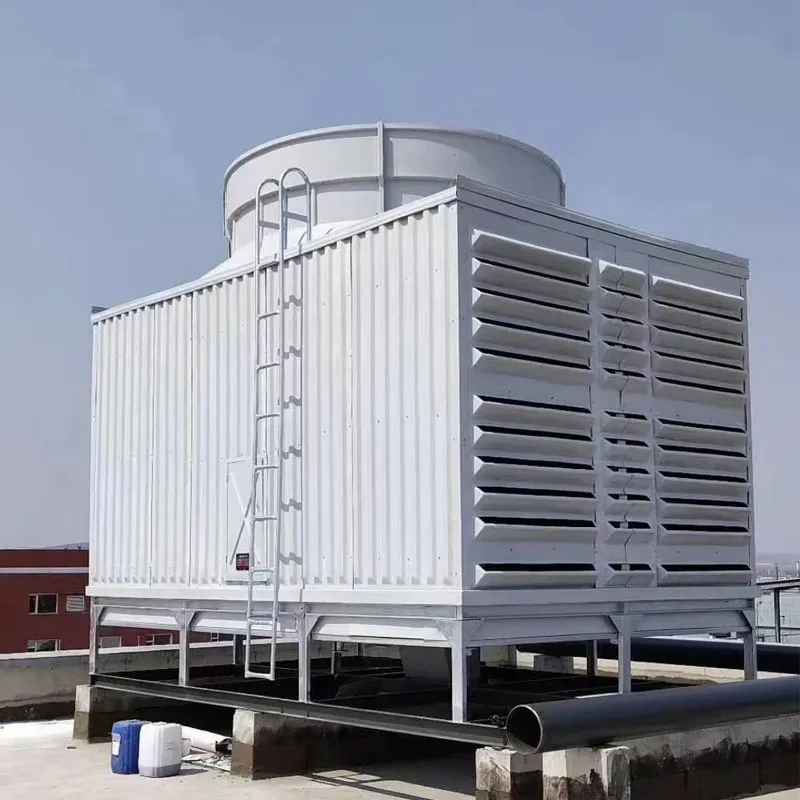
Introduction to Air Conditioning Cooling Towers In the realm of commercial and industrial HVAC and refrigeration, efficient heat rejection is paramount for optimal system performance and energy conservation. The air conditioning cooling tower serves as a critical component, facilitating the removal of waste heat from chiller condensers to the atmosphere. This process is fundamental for maintaining desired indoor temperatures in large buildings, as well as crucial for various industrial processes requiring precise temperature control. By leveraging the principle of evaporative cooling, these systems significantly reduce the energy consumption of associated chillers, contributing to both operational cost savings and environmental sustainability. The selection and implementation of a robust air conditioning cooling tower system require a comprehensive understanding of its technical specifications, operational advantages, and suitability for specific application environments. Our focus here is to provide B2B decision-makers and engineers with detailed insights into these sophisticated thermal management solutions. Industry Trends and Market Dynamics The market for cooling tower ac units is currently experiencing significant evolution driven by several key trends. Energy efficiency remains a paramount concern, pushing manufacturers towards innovative designs that minimize power consumption while maximizing heat rejection. This includes the adoption of high-efficiency fan motors (e.g., EC motors), advanced fill media for enhanced heat transfer, and variable frequency drives (VFDs) for precise capacity control based on real-time load demands. Sustainability and environmental regulations are also shaping the industry. There is a growing demand for systems with reduced water consumption, leading to advancements in drift eliminator technology and the exploration of hybrid dry/wet cooling solutions. Furthermore, the integration of smart technologies, such as IoT sensors for remote monitoring, predictive maintenance, and optimized operational control, is becoming increasingly common. Modular designs are gaining traction, offering easier installation, scalability, and flexibility for diverse project requirements. Fundamental Principles and Technical Specifications The core function of a cooling tower in air conditioning system is to cool a circulating water stream by extracting heat into the ambient air through evaporation. Warm water from the chiller condenser enters the cooling tower, where it is distributed over a fill media. As the water cascades down, it comes into direct contact with ambient air drawn through the tower by a fan. A small portion of the water evaporates, transferring its latent heat to the air, which is then discharged as saturated exhaust air. The cooled water is collected in a basin and returned to the chiller. Key Components: Fill Media: Maximizes water-to-air contact surface area and time for efficient heat transfer. Often made from PVC or polypropylene. Fan: Induces or forces airflow through the tower. Axial fans are common for larger units, centrifugal for smaller or quieter applications. Water Distribution System: Sprays water evenly over the fill, typically using nozzles. Drift Eliminators: Capture water droplets entrained in the airstream to minimize water loss (drift). Cold Water Basin: Collects the cooled water before it returns to the system. Typical Technical Parameters: Cooling Capacity: Measured in Tons of Refrigeration (TR) or kW, representing the heat removal rate. Water Flow Rate: Gallons Per Minute (GPM) or cubic meters per hour (m³/hr). Approach: The difference between the cooled water temperature leaving the tower and the wet-bulb temperature of the ambient air. A smaller approach indicates higher efficiency. Range: The difference between the hot water temperature entering the tower and the cooled water temperature leaving it. Fan Motor Power: Electrical power required to drive the fan (kW). Noise Level: Measured in dB(A) at a specified distance. Critical for urban and residential applications. Footprint/Dimensions: Physical space occupied by the unit. Product Specification Table: Fiberglass Reinforced Plastic (FRP) Cooling Tower Parameter Specification Range Cooling Capacity 10 TR to 1500 TR per unit Water Flow Rate 10 GPM to 15,000 GPM Material of Construction FRP (Fiberglass Reinforced Plastic) with UV inhibitors, Stainless Steel (SS304/316) fasteners & internal components Fill Media Type High-efficiency PVC film fill or splash fill (as per water quality) Fan Type Axial flow, low-noise design, direct-drive or gear-driven Fan Motor Power 1.5 kW to 75 kW (NEMA Premium Efficiency) Noise Level 65-85 dB(A) @ 1 meter (can be customized for low noise) Drift Loss Typically < 0.005% of circulating water flow Design Life 20+ years (with proper maintenance) Operating Temperature Inlet: 37-55°C, Outlet: 28-35°C (standard conditions) Manufacturing Process Flow for Air Conditioning Cooling Towers The production of a high-performance air conditioning cooling tower is a meticulously engineered process, combining advanced materials with precision manufacturing techniques to ensure durability, efficiency, and reliability. Our manufacturing adheres to stringent quality control standards, including ISO 9001, to deliver superior products. Materials of Construction: Fiberglass Reinforced Plastic (FRP): For the casing, basin, and fan stack, chosen for its excellent corrosion resistance, high strength-to-weight ratio, and UV stability. PVC/PP: For fill media and drift eliminators, selected for optimal heat transfer characteristics and chemical resistance. Stainless Steel (SS304/SS316): Used for critical structural components, fasteners, and internal supports exposed to water, ensuring longevity and preventing rust. Galvanized Steel: For certain structural frames in some models, treated for enhanced corrosion protection. Aluminum Alloy: For fan blades, offering lightweight strength and corrosion resistance. Schematic Manufacturing Steps: Design & Engineering: Utilizing CAD (Computer-AAided Design) and FEA (Finite Element Analysis) software, engineers design the tower structure and components to meet specific thermal performance and structural integrity requirements. This stage includes CFD (Computational Fluid Dynamics) simulations for optimal airflow and water distribution. Material Procurement & Quality Check: Raw materials, including resins, fiberglass mats, PVC sheets, and stainless steel, are sourced from certified suppliers and undergo rigorous incoming quality inspections to ensure compliance with material specifications (e.g., ASTM standards). Component Fabrication: FRP Molding: Casing panels, basins, and fan stacks are manufactured using advanced FRP molding techniques, such as hand lay-up, spray-up, or RTM (Resin Transfer Molding), ensuring consistent thickness and structural strength. Steel Processing: Stainless steel components undergo cutting, bending, welding (certified welders), and passivation processes. Galvanized steel parts are hot-dip galvanized for enhanced corrosion protection. CNC machining is employed for high-precision components like fan hubs and motor mounts. Fill Media & Drift Eliminator Production: PVC/PP sheets are thermoformed or extruded into specific geometries to create efficient fill media and drift eliminators. Assembly: All fabricated components are assembled into the complete cooling tower unit. This involves precise alignment of the structural frame, installation of the fill media, drift eliminators, water distribution system, fan assembly, and motor. Testing & Quality Assurance: Each unit undergoes comprehensive testing. This includes structural integrity checks, hydrostatic testing of the water basin, functional testing of the fan motor and drive system, and rigorous performance testing in accordance with CTI (Cooling Technology Institute) or ASHRAE standards to verify cooling capacity, airflow, and noise levels. Finishing & Packaging: The completed cooling tower is inspected for aesthetics and functionality, then prepared for shipment. Components are securely packaged to prevent damage during transit to the client's site. Expected service life for our ac cooling tower system , when properly installed and maintained, typically exceeds 20-25 years, demonstrating a significant return on investment through sustained performance and minimal need for replacement. Target Industries & Advantages: Our solutions cater to diverse industries including petrochemical, metallurgy, power generation, water supply & drainage, pharmaceuticals, and large-scale commercial HVAC. Key advantages include: Energy Saving: Optimized fan and fill media design reduce power consumption of chillers by efficiently rejecting heat at lower temperatures. Corrosion Resistance: Extensive use of FRP and stainless steel ensures exceptional resistance to harsh industrial environments and water chemistries. Reduced Maintenance: Durable materials and accessible designs simplify routine inspection and service. Application Scenarios and Target Industries The versatility and efficiency of the air conditioning cooling tower make it indispensable across a broad spectrum of commercial, industrial, and institutional applications. Its primary role is to provide chilled water to air conditioning systems or process cooling systems by dissipating heat into the atmosphere. Key Application Scenarios: Commercial HVAC Systems: Large office buildings, hotels, shopping malls, hospitals, universities, and data centers rely on cooling towers for their central air conditioning systems. The efficient heat rejection directly impacts comfort levels and operational costs. Industrial Refrigeration: Food and beverage processing, cold storage facilities, chemical plants, and pharmaceutical manufacturing utilize cooling towers to cool down refrigerants or process fluids, ensuring product quality and safety. Power Generation: Cooling towers are integral to power plants (fossil fuel, nuclear, geothermal) for condensing steam from turbines, which is crucial for maximizing power output and efficiency. Petrochemical and Chemical Industries: Used for cooling reactors, condensers, and other process equipment where precise temperature control is vital for chemical reactions and product purity. Metallurgy and Heavy Manufacturing: Found in steel mills, foundries, and plastics manufacturing for cooling induction furnaces, casting molds, and hydraulic systems, preventing overheating and equipment damage. Data Centers: Given the immense heat generated by servers, cooling towers are essential for maintaining stable, low temperatures, preventing equipment failure, and ensuring uninterrupted operation. Demonstrated Advantages in Typical Applications: Energy Saving: By maintaining a lower condenser water temperature, chillers operate more efficiently, reducing electrical consumption by 5-15% compared to less efficient heat rejection methods. Corrosion Resistance: In environments with aggressive water chemistries (e.g., chemical plants) or coastal areas, FRP cooling towers offer superior longevity and reduced maintenance costs due to their inherent resistance to corrosion. Operational Reliability: Robust construction and adherence to standards like ANSI/CTI 201 ensure consistent performance and extended operational lifespan, minimizing downtime in critical industrial processes. Environmental Compliance: Modern designs minimize water drift and incorporate advanced water treatment systems, helping facilities meet environmental regulations and promote sustainable operations. Technical Advantages and Performance Benchmarks The advancement in ac cooling tower system technology has led to superior performance benchmarks that address the evolving demands of efficiency, sustainability, and operational longevity. Our cooling towers embody these advancements, delivering measurable technical advantages. Key Technical Advantages: Optimized Energy Efficiency: Achieved through meticulously designed heat transfer surfaces (fill media), low-pressure drop spray nozzles, and aerodynamically efficient fan blades. Coupled with VFDs, our systems significantly reduce power consumption, especially under partial load conditions. Superior Durability and Corrosion Resistance: The primary use of high-grade FRP for casing and basin, along with stainless steel (SS304/SS316) for internal structural components, ensures exceptional resistance to corrosive agents, UV degradation, and harsh weather, significantly extending the operational lifespan compared to traditional galvanized steel units. Advanced Water Conservation: High-efficiency drift eliminators minimize water loss to typically less than 0.005% of the circulating water flow. Furthermore, integrated intelligent blowdown systems and options for side-stream filtration optimize water quality and reduce overall water consumption. Low Noise Operation: Engineered with low-speed, high-efficiency axial fans and optional sound attenuators, our cooling towers meet stringent noise regulations, making them suitable for installations in noise-sensitive areas such as hospitals, residential complexes, and urban commercial centers. Simplified Maintenance and Accessibility: Modular design principles, easily removable inspection panels, and accessible fill media and spray systems simplify routine maintenance, cleaning, and inspection, reducing downtime and labor costs. Enhanced Safety Features: Compliance with safety standards includes non-slip walking surfaces, secure access ladders, and fan guard screens, ensuring a safe working environment for maintenance personnel. Vendor Comparison and Selection Criteria Choosing the right vendor for an air conditioning cooling tower is a strategic decision that impacts the long-term efficiency, reliability, and cost-effectiveness of your HVAC or industrial process. While numerous manufacturers exist, a diligent comparison based on specific criteria is essential. Key Vendor Selection Criteria: Reputation and Experience: Assess the vendor's years in the industry, project portfolio, and client testimonials. A strong track record signifies reliability and expertise. Product Range and Customization: Evaluate if the vendor offers a diverse range of cooling tower types (crossflow, counterflow, closed-circuit, open-circuit) and the ability to customize solutions to specific site constraints or performance requirements. Certifications and Standards Compliance: Verify adherence to international standards such as ISO 9001 for quality management, CTI (Cooling Technology Institute) for thermal performance certification, and local regulatory compliance. Material Quality and Construction: Inquire about the grade of FRP, stainless steel, and other components used, and the manufacturing processes to ensure durability and longevity. Energy Efficiency Ratings: Request detailed energy consumption data, PUE (Power Usage Effectiveness) metrics for data centers, and options for energy-saving features like VFDs and EC motors. After-Sales Support and Service Network: Critical for long-term operation, assess the availability of spare parts, technical support, field service, and maintenance contracts. Total Cost of Ownership (TCO): Beyond the initial purchase price, consider installation costs, energy consumption, water usage, maintenance expenses, and expected lifespan when evaluating the true cost. Product Comparison Table: FRP Counterflow vs. Galvanized Steel Crossflow Cooling Tower Feature/Parameter FRP Counterflow Tower Galvanized Steel Crossflow Tower Corrosion Resistance Excellent; highly resistant to chemicals, acids, alkalis, and atmospheric corrosion. Good initially, but prone to rust and degradation over time, especially with poor water treatment. Heat Transfer Efficiency High; counterflow design provides more efficient water-to-air contact and uniform airflow. Good; crossflow design has less uniform airflow but easier maintenance. Footprint Smaller footprint for equivalent capacity due to counterflow design efficiency. Larger footprint for equivalent capacity, often wider. Maintenance Accessibility Generally good, but internal components might require more effort to access due to vertical airflow. Excellent, easier access to fill media and nozzles from sides. Lifespan (Average) 20-25+ years (with proper maintenance). 10-15 years (depending on galvanization quality and maintenance). Cost (Initial) Moderately higher. Relatively lower. Operating Costs (TCO) Lower over lifespan due to higher efficiency, lower maintenance, and longer life. Higher over lifespan due to potentially lower efficiency, higher maintenance, and shorter life. Customized Solutions and Engineering Expertise Recognizing that no two projects are identical, we specialize in providing highly customized cooling tower ac units tailored to meet the unique challenges and performance criteria of each client. Our engineering expertise allows for precise adaptation to specific operational demands, site conditions, and environmental considerations. Elements of Customization: Thermal Performance Optimization: Adjusting fill media, fan size, and water distribution to achieve specific approach and range requirements, even under non-standard wet-bulb temperatures or high heat loads. Footprint and Height Restrictions: Designing modular or specialized low-profile units for sites with limited space or aesthetic considerations. Material Selection: Utilizing specific grades of stainless steel (e.g., Duplex SS for extremely aggressive environments) or anti-corrosive coatings for enhanced chemical resistance. Noise Attenuation: Integrating specialized low-noise fans, sound-absorbing materials, or sound attenuation baffles for ultra-quiet operation in sensitive areas. Water Quality Management: Incorporating specialized filtration systems, side-stream treatment, or materials resistant to particular water chemistries (e.g., brackish water applications). Integration with Building Management Systems (BMS): Providing advanced control panels with remote monitoring capabilities, SCADA integration, and data logging for seamless operation and energy management. Environmental Compliance: Designing solutions to meet specific local regulations regarding drift emissions, noise levels, and water discharge quality. Our Engineering Capabilities: Advanced Simulation Tools: Expertise in CFD (Computational Fluid Dynamics) for airflow and heat transfer optimization, and FEA (Finite Element Analysis) for structural integrity and vibration analysis. Experienced Design Team: A team of engineers with decades of experience in thermal, mechanical, and structural design, ensuring robust and efficient solutions. Pilot and Testing Facilities: Access to state-of-the-art testing facilities to validate custom designs and ensure performance before full-scale production. Application Case Studies Our expertise in designing and deploying air conditioning cooling tower systems is demonstrated through numerous successful projects across diverse industries. Here are a few illustrative case studies: Case Study 1: Large-Scale Data Center, Frankfurt, Germany Challenge: A rapidly expanding data center required a highly efficient and reliable cooling solution with N+1 redundancy, precise temperature control, and a minimal environmental footprint in a densely populated urban area. Solution: We supplied and commissioned multiple FRP counterflow cooling towers, configured for modularity and equipped with high-efficiency EC motors and integrated VFDs. The design incorporated advanced drift eliminators (<0.0005% drift) and specialized low-noise fan blades to comply with strict local noise ordinances. Results: The system achieved a PUE (Power Usage Effectiveness) of 1.15, significantly reducing operational energy costs. The ultra-low drift rate and advanced water treatment system minimized water consumption by 18% compared to industry averages, contributing to sustainability goals. The modular setup allowed for seamless future expansion. Case Study 2: Petrochemical Complex, Middle East Challenge: A major petrochemical plant needed cooling for its process heat exchangers in a highly corrosive desert environment with fluctuating ambient temperatures and demanding continuous operation. Reliability and resistance to aggressive chemical exposure were critical. Solution: We engineered and deployed large-capacity FRP industrial cooling towers with all wetted components and structural elements made from SS316L stainless steel for maximum corrosion resistance. The units were designed with robust, heavy-duty axial fans capable of sustained operation in high temperatures and dust-laden air. Results: The cooling towers have performed reliably for over a decade, with no significant corrosion-related issues. The robust design ensured uninterrupted process cooling, preventing costly shutdowns and maintaining production efficiency in a challenging environment. Case Study 3: Hospital Expansion Project, Southeast Asia Challenge: A new hospital wing required a high-efficiency cooling tower in refrigeration system with extremely low noise levels to avoid disturbing patients and staff, while also fitting into a restricted rooftop space. Solution: We provided compact, low-profile counterflow FRP cooling towers specifically engineered for minimal sound output, featuring ultra-quiet axial fans and integrated acoustic attenuators. The units were delivered in pre-assembled modules for quick installation on the rooftop, minimizing disruption to ongoing hospital operations. Results: The cooling system operated well below the stipulated noise limits (achieving 60 dB(A) at 1 meter), ensuring a serene environment. The compact design effectively utilized the available rooftop space, and the system consistently maintained optimal chilled water temperatures for the hospital's HVAC demands. Authoritativeness and Trustworthiness: Our Commitment Our commitment to delivering superior air conditioning cooling tower solutions is underpinned by a foundation of verifiable credentials, extensive experience, and unwavering dedication to customer satisfaction. Certifications and Compliance: ISO 9001: Certified for quality management systems, ensuring consistent product quality from design to delivery. CTI (Cooling Technology Institute): Our cooling towers are designed and rated in accordance with CTI Standard 201, providing independent verification of thermal performance. ASHRAE Compliance: Designed to meet or exceed ASHRAE (American Society of Heating, Refrigerating and Air-Conditioning Engineers) guidelines for performance and energy efficiency. Local and International Safety Standards: Adherence to relevant electrical, mechanical, and environmental safety regulations. Proven Experience & Partner Network: Decades of Service: With over 20 years of specialized experience in cooling tower design, manufacturing, and installation. Global Partner Clients: We collaborate with leading EPC (Engineering, Procurement, and Construction) firms, industrial conglomerates, and commercial developers worldwide. Extensive Project Portfolio: Thousands of successful installations across various continents, demonstrating adaptability and reliability in diverse climates and operational contexts. Lead Time & Fulfillment: For standard models, typical lead times range from 4-8 weeks from order confirmation to ex-works delivery. Customized solutions or large-scale projects may require 10-16 weeks, depending on complexity and material sourcing. We maintain efficient supply chain management to ensure timely fulfillment. Warranty Commitments: All our ac cooling tower system units come with a standard 12-month warranty on components from the date of commissioning or 18 months from the date of shipment, whichever comes first. Extended warranty options and comprehensive service contracts are available upon request, providing peace of mind and protecting your investment. Customer Support & After-Sales Service: 24/7 Technical Support: Our dedicated team of engineers is available to provide technical assistance and troubleshooting. Spare Parts Availability: We maintain a comprehensive inventory of genuine spare parts to minimize downtime. Field Service & Commissioning: Experienced technicians are available for on-site supervision, installation, commissioning, and scheduled maintenance. Training Programs: We offer operational and maintenance training for your personnel to ensure optimal system performance and longevity. Frequently Asked Questions (FAQ) Q1: How does an air conditioning cooling tower save energy? A: Cooling towers reject heat more efficiently than air-cooled condensers, especially in warmer climates. By providing colder water to the chiller's condenser, they allow the chiller to operate at lower head pressures, significantly reducing the compressor's energy consumption. This translates to substantial electricity savings for the overall HVAC system. Q2: What maintenance is required for a cooling tower in refrigeration system ? A: Regular maintenance includes checking water levels, cleaning the cold water basin, inspecting fill media and drift eliminators for fouling, lubricating fan bearings, checking fan belt tension (if applicable), and verifying water treatment chemical levels. Quarterly or semi-annual deep cleaning and inspection by qualified technicians are recommended. Q3: How do I size an ac cooling tower system for my facility? A: Sizing depends on several factors: the heat load (in TR or kW) to be rejected, the desired hot and cold water temperatures (range), and the local ambient wet-bulb temperature. It's crucial to work with experienced engineers who can perform accurate thermal calculations and consider site-specific conditions. Incorrect sizing leads to inefficient operation or insufficient cooling. Q4: Are cooling towers susceptible to Legionella bacteria? A: Like any open-recirculating water system, cooling towers can be a source of Legionella if not properly maintained. However, with appropriate water treatment programs (biocides, scale inhibitors), regular cleaning, and adherence to industry guidelines (e.g., ASHRAE 188), the risk is effectively mitigated. Modern cooling towers are designed to facilitate easier maintenance and access for cleaning. Q5: What is the typical lifespan of an FRP cooling tower? A: FRP (Fiberglass Reinforced Plastic) cooling towers are known for their exceptional durability. With proper installation, consistent preventive maintenance, and effective water treatment, they typically have an operational lifespan of 20 to 25 years, often exceeding that of galvanized steel alternatives due to superior corrosion resistance. Conclusion The air conditioning cooling tower stands as a cornerstone of modern HVAC and industrial refrigeration, offering an efficient, cost-effective, and environmentally responsible means of heat rejection. Its continuous evolution, driven by demands for higher energy efficiency, greater sustainability, and advanced smart capabilities, ensures its indispensable role in supporting critical infrastructure and processes. Choosing a robust, well-engineered cooling tower from a reputable manufacturer with proven expertise and comprehensive after-sales support is not merely a purchase but a strategic investment in long-term operational excellence and resource efficiency for any B2B application. References Cooling Technology Institute (CTI) - www.cti.org ASHRAE (American Society of Heating, Refrigerating and Air-Conditioning Engineers) - www.ashrae.org U.S. Department of Energy, Energy Efficiency & Renewable Energy (EERE) - www.energy.gov/eere/buildings/cooling-towers ISO (International Organization for Standardization) - www.iso.org Legionnaires' Disease: Risk assessment for cooling systems - World Health Organization (WHO) - www.who.int




Address
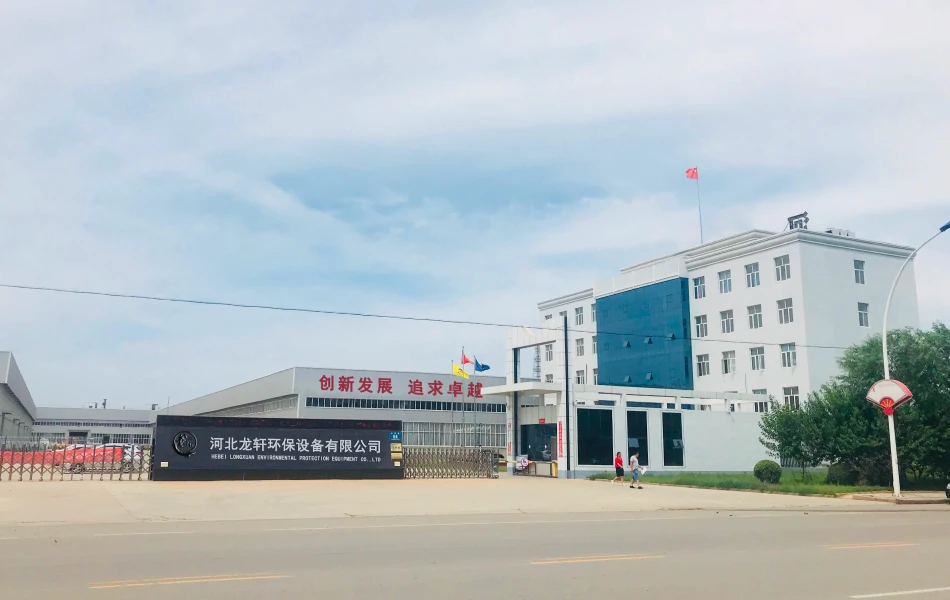
20 Xingyuan South Street, Zaoqiang County, Hengshui City, Hebei Province, China